
Checking Catoosa County Criminal History
No single Catoosa County search answers every record question. Begin with the event you need to prove. Use the clerk's CM Web Search for a filed criminal case, the Sheriff's current-inmate portal for live custody, and the Sheriff's Records Division for a report, booking sheet, local history, or record-restriction packet. Georgia Felon Search is a separate, limited public product for in-state felony convictions. A result from one source should lead to the office that holds the original record.
Gather a full legal name, date of birth when the official channel permits it, likely event date, arresting agency, and any case or booking number. Search each spelling variation because the clerk warns that an index depends on how a name was entered. Then compare dates and charges before assuming two entries concern the same person.
- Identify whether the event is an arrest, booking, filed case, conviction, prison term, or registry entry.
- Search the matching official portal with the narrowest reliable name and date details.
- Open the source record and note its agency, case or booking number, and status date.
- Check the next system in the record chain for a later filed charge or final disposition.
- Request a certified copy or authorized personal history when an online index is not enough.
Four Catoosa Criminal Record Systems
Catoosa County records split across systems because each office documents a different act. An arresting agency writes the incident report. The detention center records intake, bond, release, and custody. A prosecutor chooses what to file, and a court records the plea, ruling, and sentence. Fingerprintable arrests and later dispositions feed the Georgia Crime Information Center, while a state-prison sentence may also appear through the Georgia Department of Corrections.
| Official source | Best use | Key limit |
|---|---|---|
| Catoosa CM Web Search | Filed county court cases | An index is not a certified file |
| Sheriff and Zuercher | Reports, bookings, current custody | Custody does not prove guilt |
| GCIC and Georgia Felon Search | Georgia history or limited felony results | The public product is not a full rap sheet |
| GDC Find an Offender | State prison and sentence data | It is not a county jail census |
That division explains why dates or charge labels can differ without either record being false. Read each item in the stage where it was created, note its last update, and verify the final result with the office responsible for that stage.
Federal records form another layer. A case in the U.S. District Court for the Northern District of Georgia belongs in PACER, not Catoosa CM Web. Federal custody belongs in the Bureau of Prisons locator, and a person seeking their own nationwide fingerprint history uses the FBI Identity History Summary process. County, state, and federal searches should remain separate until a shared case number or source document proves the link.
Georgia Official Background Checks
The Georgia Bureau of Investigation's Georgia Crime Information Center is the state repository. GCIC says it does not conduct a broad public name check at its counter. A person may inspect their own Georgia history by appointment in Decatur, and authorized purpose-based fingerprint checks run through Georgia Applicant Processing Service. Local law-enforcement agencies remain the practical route for many consent-based Georgia history requests.
Georgia Felon Search permits a public search for Georgia felony-conviction information with a full name, race, sex, and date of birth. It charges the transaction price displayed by the portal. That product does not replace the county court file, a broader consent-based history, or the subject's own fingerprint-supported review. For a nationwide self-review, the FBI Identity History Summary is a different subject-only process.
The GCIC criminal-history FAQ shows the state access framework.
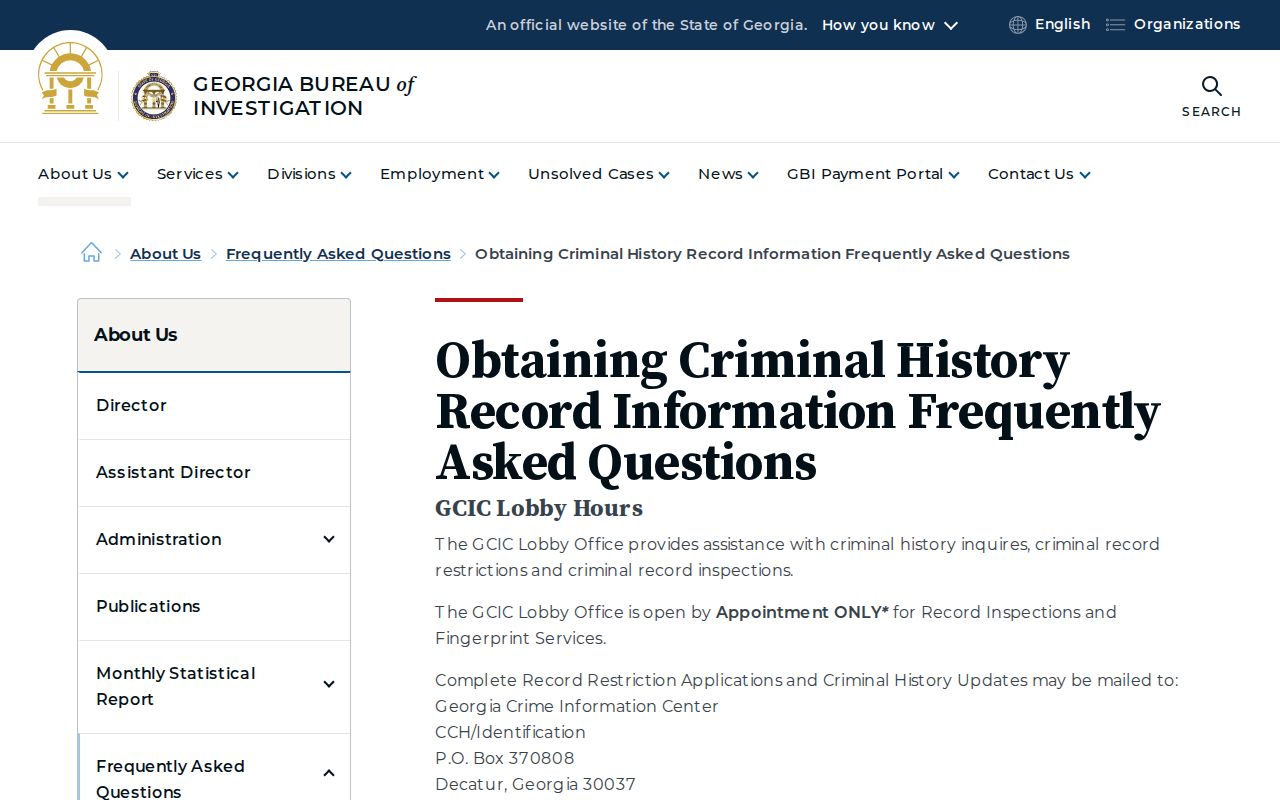
Use that state guidance to choose personal inspection, a lawful local request, or the limited public felony search.
Catoosa Criminal Checks by Fingerprint
Fingerprint service depends on purpose. The Catoosa County Sheriff's Records Division offers free fingerprint cards to qualifying county residents during its published lobby hours. Those ink-card services are not the same as an electronic, agency-sponsored criminal-history check. For a GAPS check, the requesting agency supplies a service code, and the applicant enrolls through the current IdentoGO channel before choosing a capture site.
The GAPS IdentoGO enrollment page begins with the sponsor's code and a “GET STARTED” path.
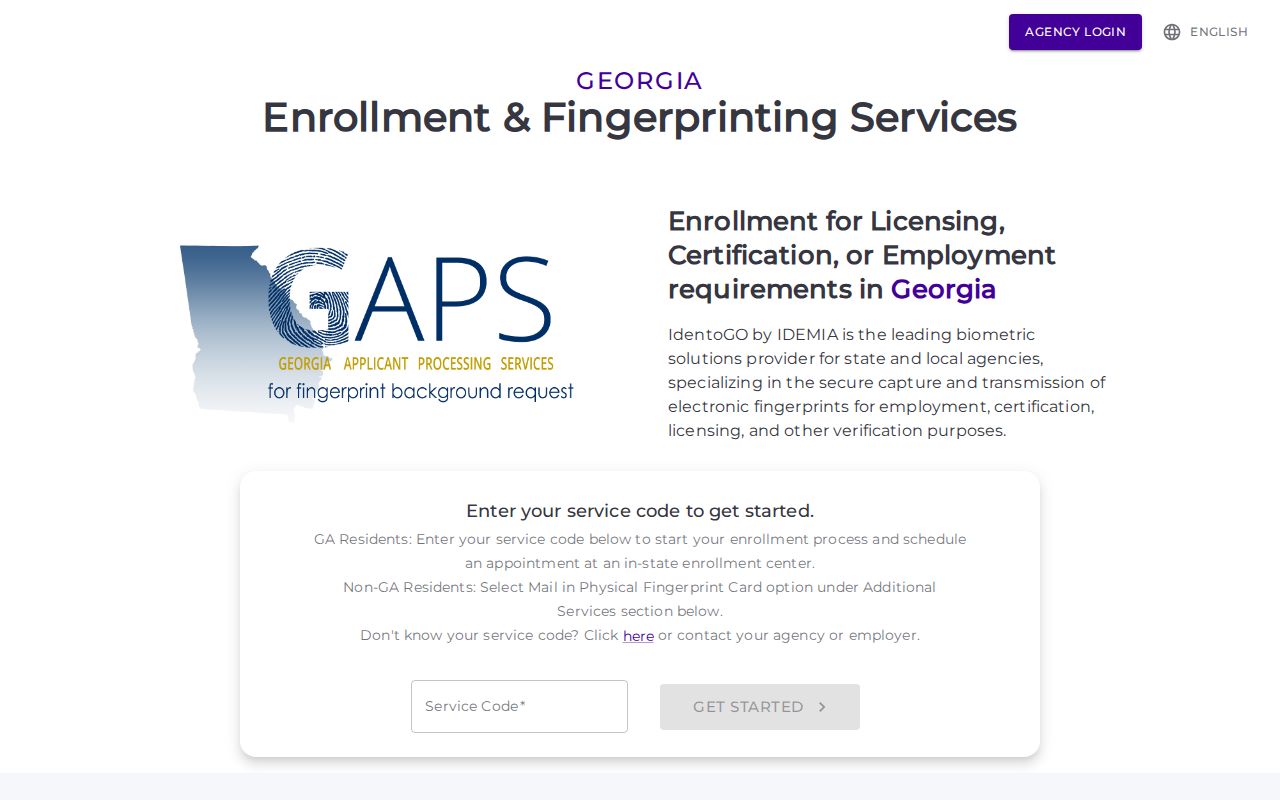
Without the right service code, the submission may not route to the agency or statutory purpose that requested it.
Catoosa County Criminal Record Types
The phrase “criminal record” can point to several documents. Catoosa County arrest and booking records show an allegation and custody event. A court case file shows what the prosecutor filed and how the judge resolved it. GCIC history connects reported Georgia arrests with submitted dispositions. A warrant reflects judicial authority to arrest or search, while supervision and registry systems answer narrower status questions.
- Booking record
- The jail's intake, charge, bond, housing, and release data for a custody event.
- Disposition
- The court's outcome for a filed count, such as dismissal, plea, acquittal, or conviction.
- Criminal history
- A repository record that links identifying data, reportable arrests, dispositions, and custodial information.
- Record restriction
- Georgia's process under O.C.G.A. § 35-3-37 for limiting eligible history from public dissemination.
A police incident report can exist without an arrest. An arrest can exist before a prosecutor files a case. A case can end without a conviction. Those distinctions are central to a fair Catoosa County record check.
Catoosa Criminal Records at Highway 41
The Sheriff's Records Division at 5842 Highway 41 in Ringgold is a key Catoosa County records counter. Staff handle local histories, fingerprint cards, booking and bond information, record-restriction work, warrants and citations data entry, and public-record routing. Requests may go through the county's GovQA Open Records link under “Sheriff's Office Records,” by email at catoosarecords@catoosacountyga.gov, by phone, or at the lobby.
The Sheriff's official Records Division page documents these duties and contacts.
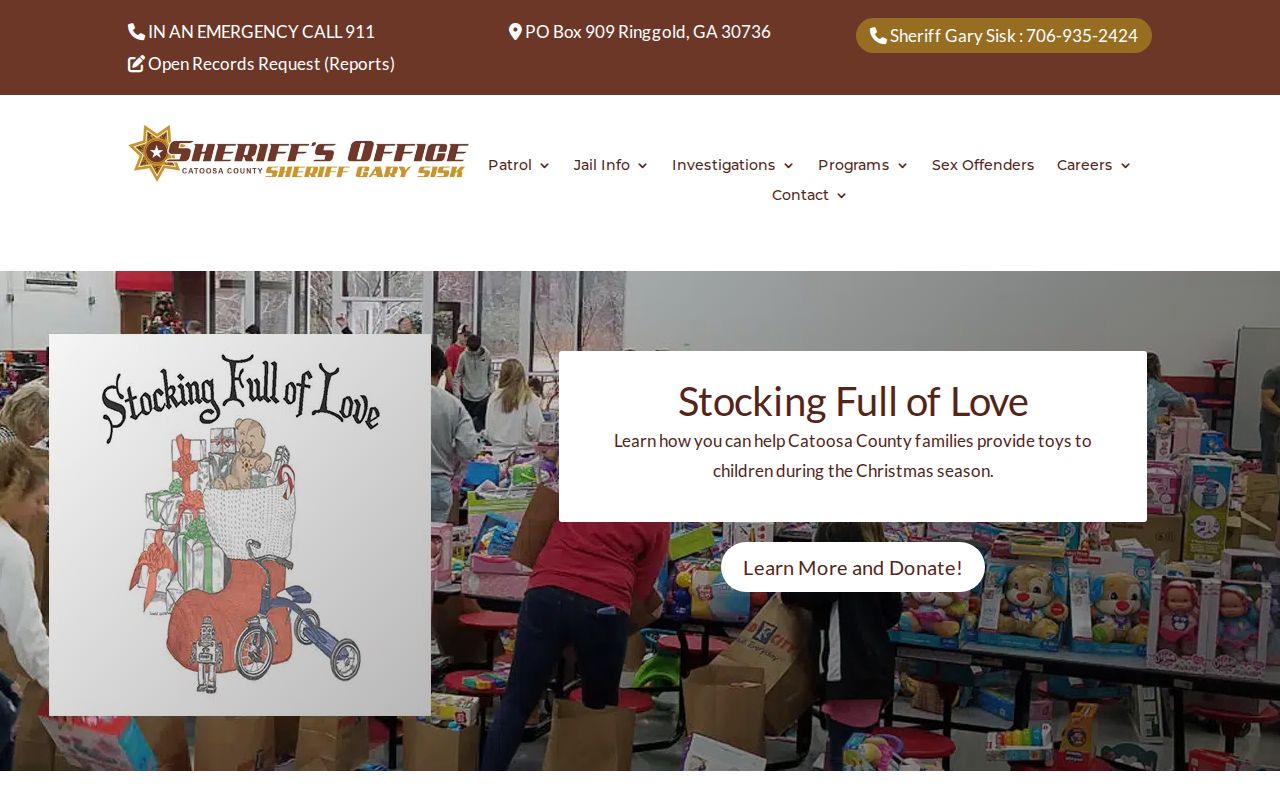
The lobby is open Monday through Friday, 8:30 a.m. to 5:00 p.m. Its after-hours intercom reaches Jail Control for custody needs, not immediate document production.
Sheriff's Records Division
5842 Highway 41
Ringgold, GA 30736
706-935-2323
Clerk of Superior Court
Catoosa County court records
Ringgold, Georgia
706-935-4231
Inside a Catoosa County Criminal Record
A Georgia criminal history can contain identifying information, arresting agency and arrest date, reported charges, final dispositions, and Georgia custodial information. The source court file may add docket events, accusations or indictments, motions, pleas, judgments, and sentence terms. The jail record adds booking and release facts. Compare the identifiers and event numbers before joining these layers.
| Name and identifiers | Legal name, aliases, date of birth, sex, race, and other matching data as law permits. |
|---|---|
| Arrest and booking | Agency, event date, alleged charge, booking number, bond or hold, and release status. |
| Court case | Case number, filed counts, docket events, pleas, motions, disposition, and sentence. |
| Custody and supervision | Reported jail, prison, probation, or parole status within the source system's scope. |
A missing disposition may reflect reporting lag. Obtain the clerk's judgment first, then use the GCIC correction route if the state history remains incomplete.
Catoosa Criminal Cases in CM Web
The Clerk's CM Web Search is the direct local index for Catoosa County criminal court records. Users first accept a disclaimer, then may search by name, case number, or citation. Name search includes party type and filing-date controls. A case view can expose parties, charges, docket events, and disposition information, but the clerk warns that spelling differences affect results and online material is not an official certified record.
| Search tab | Useful fields | Best when |
|---|---|---|
| Name | Last, first, middle; party type; date range | You do not know the case number |
| Case | Case number and court controls | A notice or filing gives the exact number |
| Citation | Citation number | The matter began with a ticket |
If a recent booking has no case result, filing or indexing may not have happened yet. Deeper case-search steps begin with the clerk's disclaimer and the correct CM Web tab.
Public Access Laws in Georgia
The Georgia Open Records Act governs requests to local custodians, but it does not make every field public. Available records generally must be produced within three business days. If they cannot be produced then, the agency should describe the records and give a timetable. Reasonable search, retrieval, redaction, and copy charges may apply. Pending investigations, juvenile material, victim data, medical information, security plans, and GCIC-controlled data can require withholding or redaction.
Key Georgia laws
O.C.G.A. §§ 50-18-70 through 50-18-77 establish open-record duties, timing, charges, and exemptions.
O.C.G.A. § 35-3-34 controls dissemination of Georgia criminal-history information.
O.C.G.A. § 35-3-37 governs correction and record restriction.
O.C.G.A. § 42-1-12 governs Georgia sex-offender registration information.
Ask the custodian to identify the legal basis for each withheld category. A three-day response rule is not a promise that complex video or archive work will finish in three days.
Catoosa Criminal Records After Booking
A Catoosa County arrest begins a chain, not a final record. The arresting agency creates its report. The detention center records the booking and transmits fingerprintable arrest data. A prosecutor then chooses the filed charges, which may differ from the arrest labels. The clerk records each court event and final outcome, and justice agencies report the disposition back to GCIC.
Record flow: Incident or arrest → Catoosa booking → prosecutor review → court case → disposition → GCIC update.
The Georgia Crime Information Center overview shows the repository role in that chain.
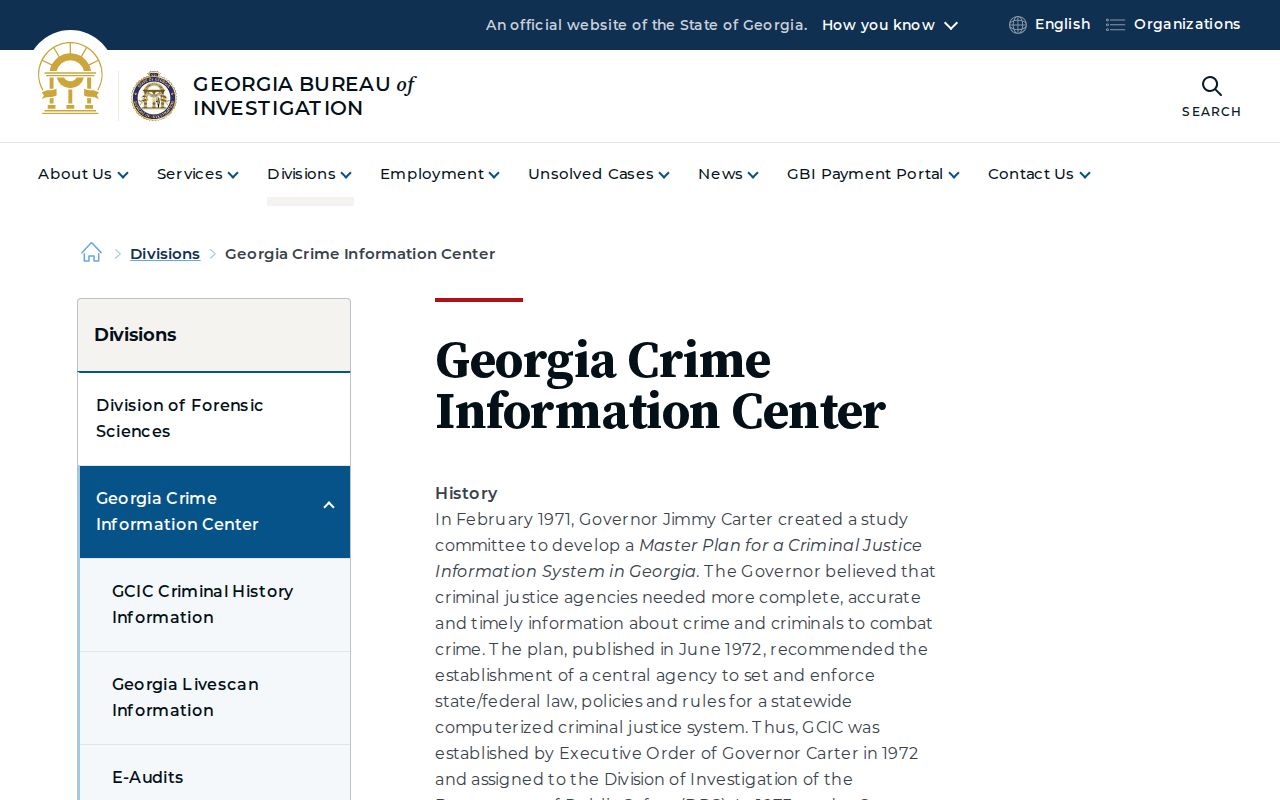
When two systems disagree, use the original report for the arrest and the signed court judgment for the outcome.
Catoosa Criminal Warrant Checks
No official public Catoosa County warrant name portal was found in the Sheriff's public navigation. Do not treat a blank inmate or court search as warrant clearance. The sound path starts with the court that may have issued the order, continues through Sheriff's Records for service or status information, and may include a narrow GovQA request. Magistrate Court issues criminal arrest and search warrants at 877 Lafayette Street. State Court and both city courts can also hold warrant-related entries within their jurisdiction.
An arrest warrant rests on a probable-cause finding. A bench warrant often follows a failure to appear or contempt. A search warrant authorizes a search and is not itself a person's criminal history. Probation, parole, and fugitive holds follow still other channels. Sealed, recalled, newly entered, juvenile, or out-of-county warrants can defeat a casual public search.
If the concern involves your own possible warrant, call the issuing clerk and seek legal advice about surrender and bond before appearing without a plan. Catoosa County Magistrate Court lists 706-935-3114, while the Sheriff's main line is 706-935-2323. A court disposition or recall may also take time to reach each connected database.
Sealed, Expunged, and Restricted Records
Georgia calls its main process “record restriction,” not expungement. Eligibility under O.C.G.A. § 35-3-37 depends on the arrest date, disposition, offense, and procedural path. Some eligible arrests handled by a prosecutor may restrict through electronic reporting. Older matters or exceptions can require an application involving the arresting agency and prosecutor. Restricted court records may be sealed under subsection (m), which is a linked but distinct court step.
The Catoosa Sheriff's Records Division provides restriction packets and can identify the local arrest entry. The prosecutor and clerk control other parts of the file. Georgia's First Offender Act is not another name for restriction; it is a separate disposition and record-law mechanism. Juvenile and sealed records also follow their own access rules.
If a dismissal still appears, obtain the final disposition from the clerk, compare it with the GCIC history, and use the GBI record-restriction process that fits the case.
Catoosa Criminal Supervision Records
A filed judgment is the best public source for the sentence. Georgia's Department of Community Supervision handles felony community supervision through the LaFayette field office serving Catoosa County, while the State Board of Pardons and Paroles makes parole decisions. GDC Find an Offender may show prison and sentence-related data, but it is not a complete public probation list.
The Department of Community Supervision explains the state supervision structure.
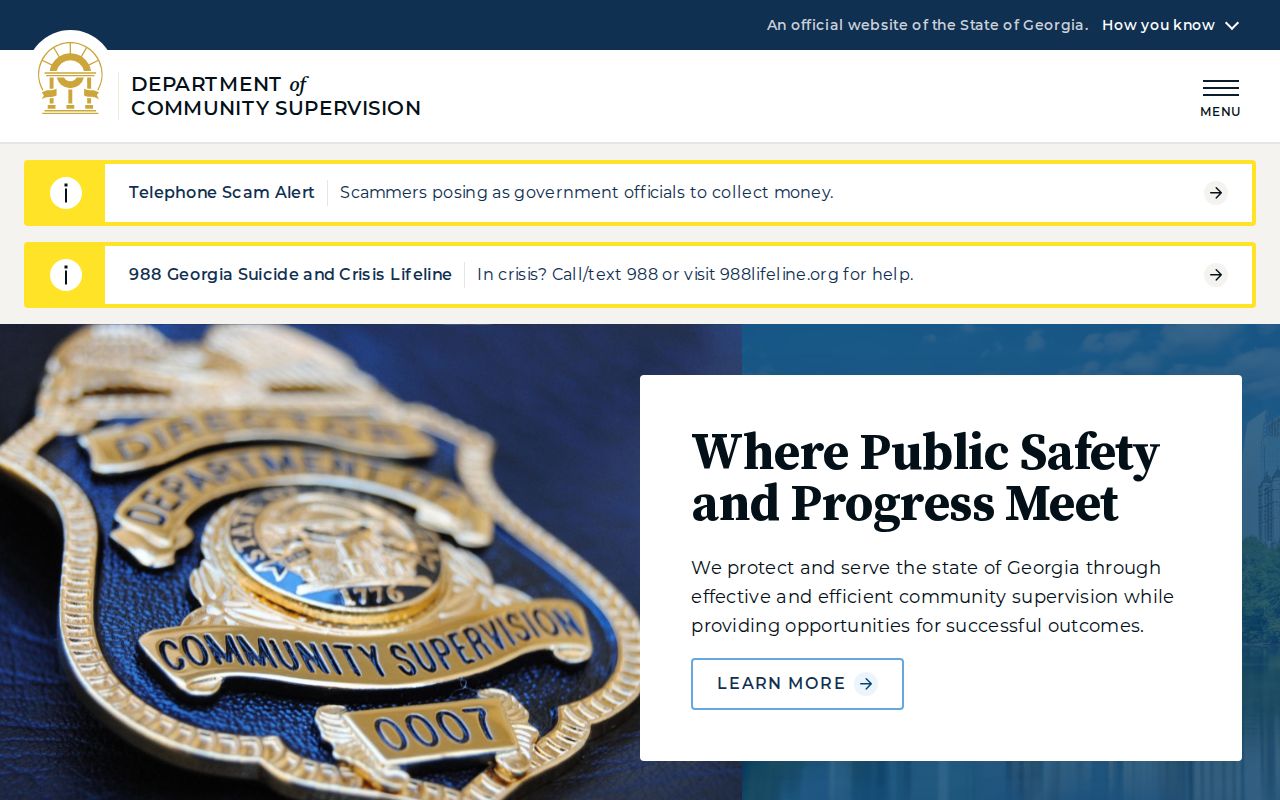
The Parole Board remains the decision authority even though DCS carries out field supervision.
The Georgia State Board of Pardons and Paroles publishes official parole resources.
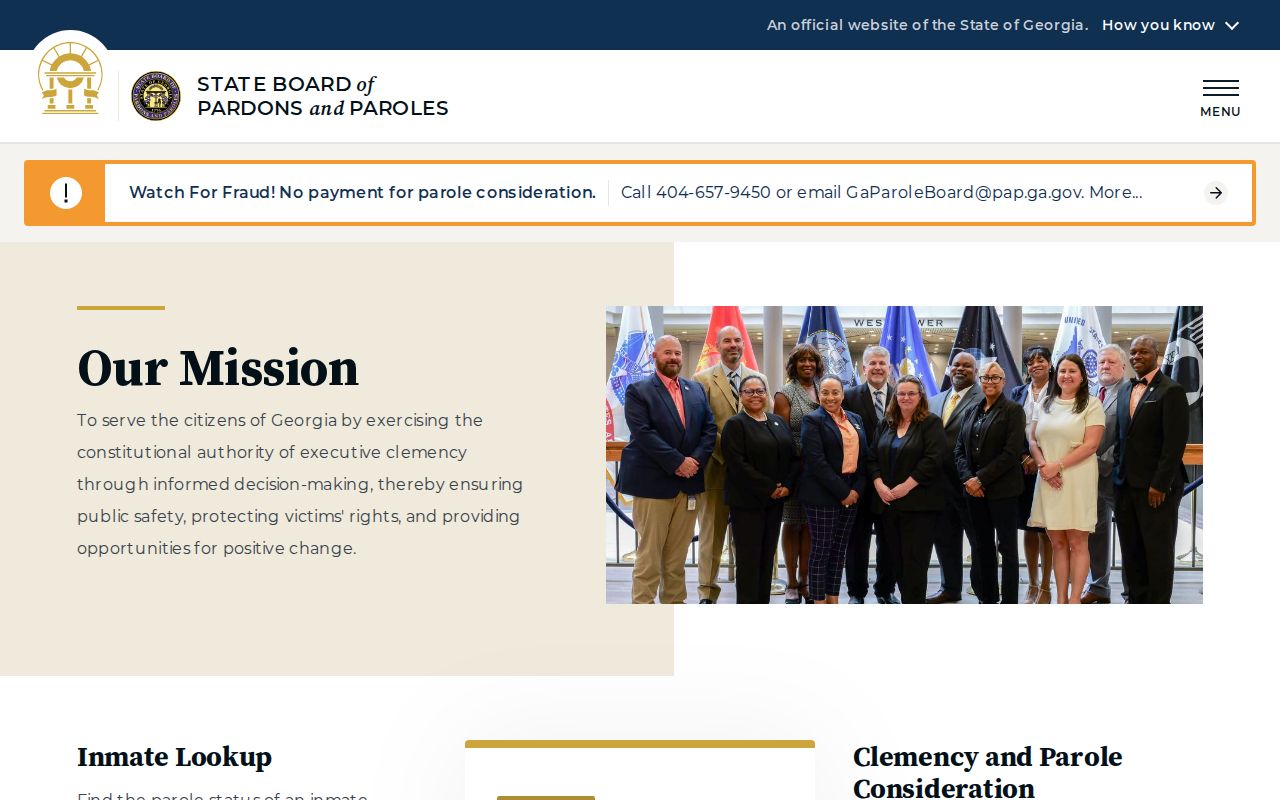
For a specific matter, read the judgment and docket before treating a locator entry as the complete sentence history.
Catoosa Criminal Data in Context
GBI's 2024 summary lists 699 index offenses for Catoosa County: 102 across the four violent categories and 597 across the four property categories. Larceny-theft accounts for 504 of that index total. These figures count agency-reported incidents, not convictions, unique people, or risk at a specific address. One event can include more than one alleged offense, and an arrest or court outcome uses a different counting method.
The GBI crime-statistics gateway is the official source for county and agency context.
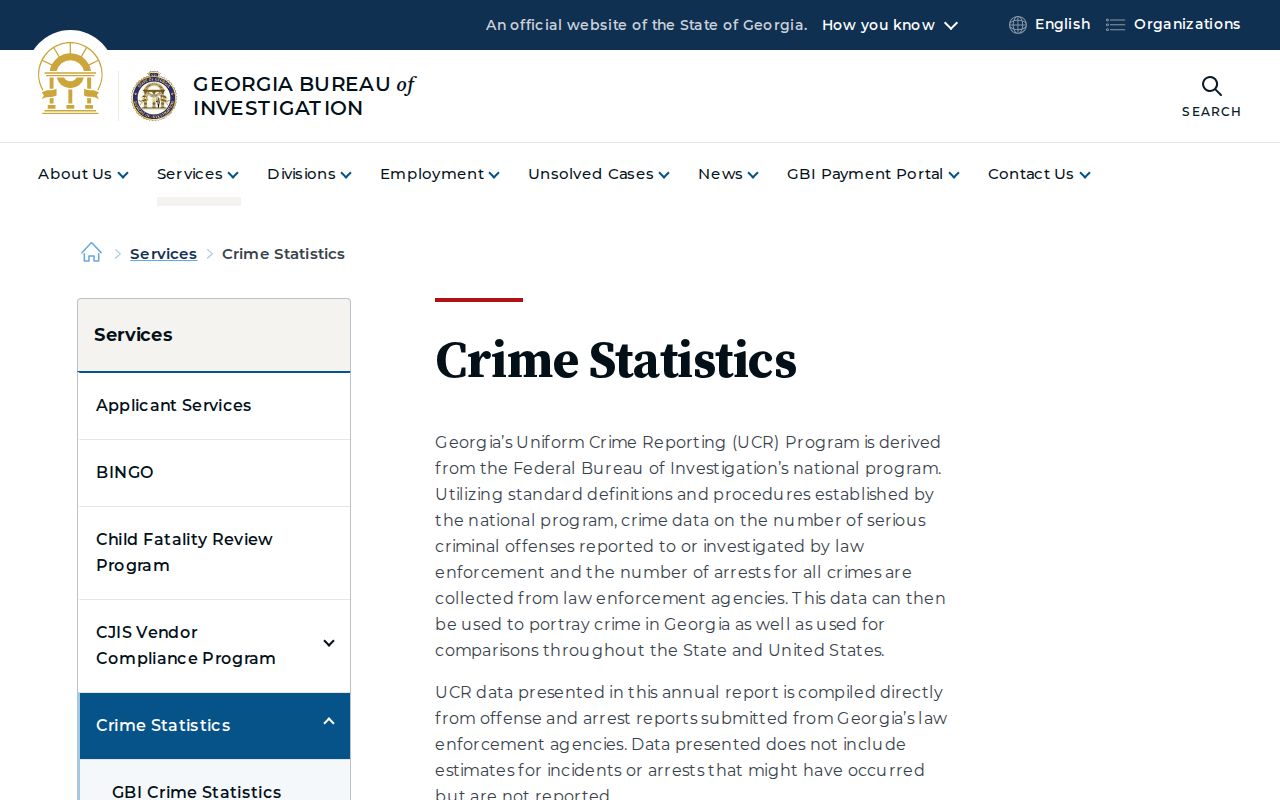
Use crime totals to understand the reporting system, not to infer a person's record or a neighborhood outcome.
Catoosa County Criminal Records by City
Catoosa County has only two incorporated cities. Fort Oglethorpe and Ringgold each keep city police reports and municipal court records, while qualifying arrests may lead to the county jail and county courts. Start with the city for its report or citation, then follow the event to the Catoosa office that received it.
Fort Oglethorpe Criminal Records
Police reports, municipal court matters, and Catoosa or Walker jurisdiction routing.
Ringgold Criminal Records
City police reports, municipal citations, and county-seat record paths.